What Students Should Know Before the Children’s Day Quiz
A friendly guide for Grades 1–10: why we celebrate 14 November, who Chacha Nehru was, what rights every child has, and the values the quiz will ask you about.
Why do we celebrate Children’s Day?
Every year on 14 November, India celebrates Children’s Day (Bal Diwas). It is the birthday of Pandit Jawaharlal Nehru, India’s first Prime Minister.
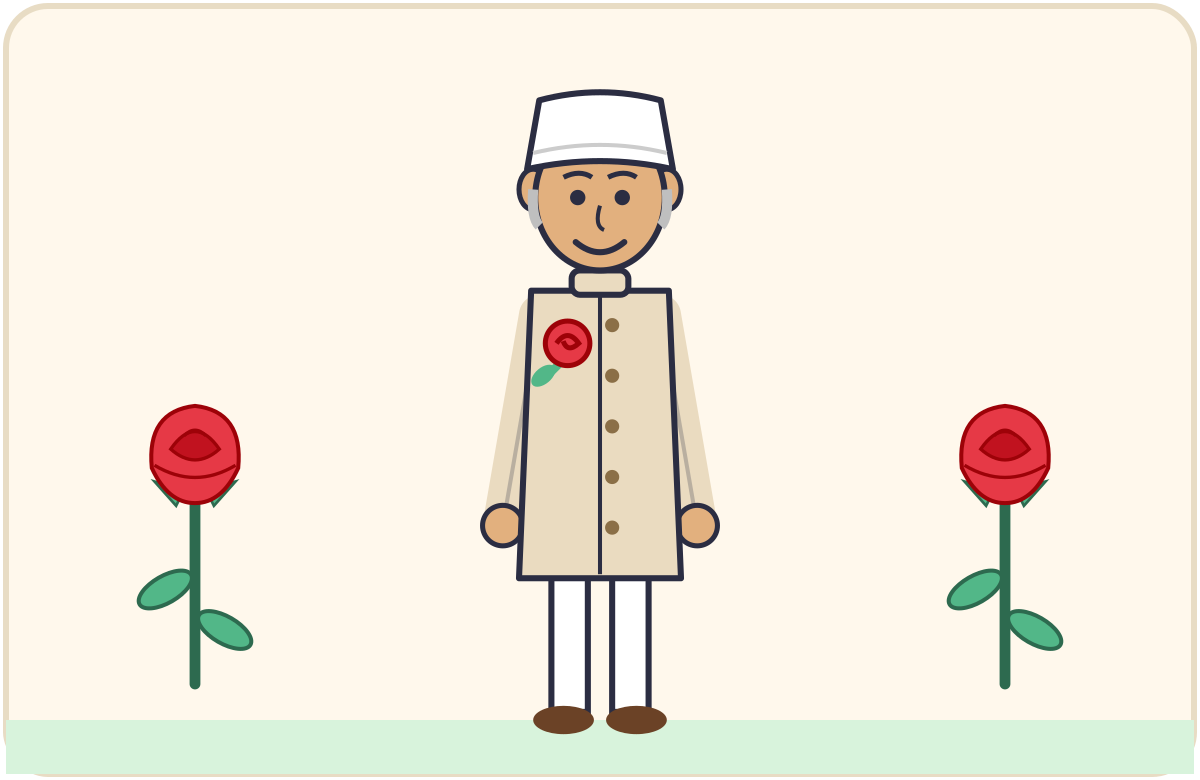
Nehru loved children, and children lovingly called him “Chacha Nehru”. Chacha means uncle. He often wore a fresh red rose on his coat.
He believed children are like buds in a garden. If we care for them with love, good food, education and safety, they grow into the people who build the nation.
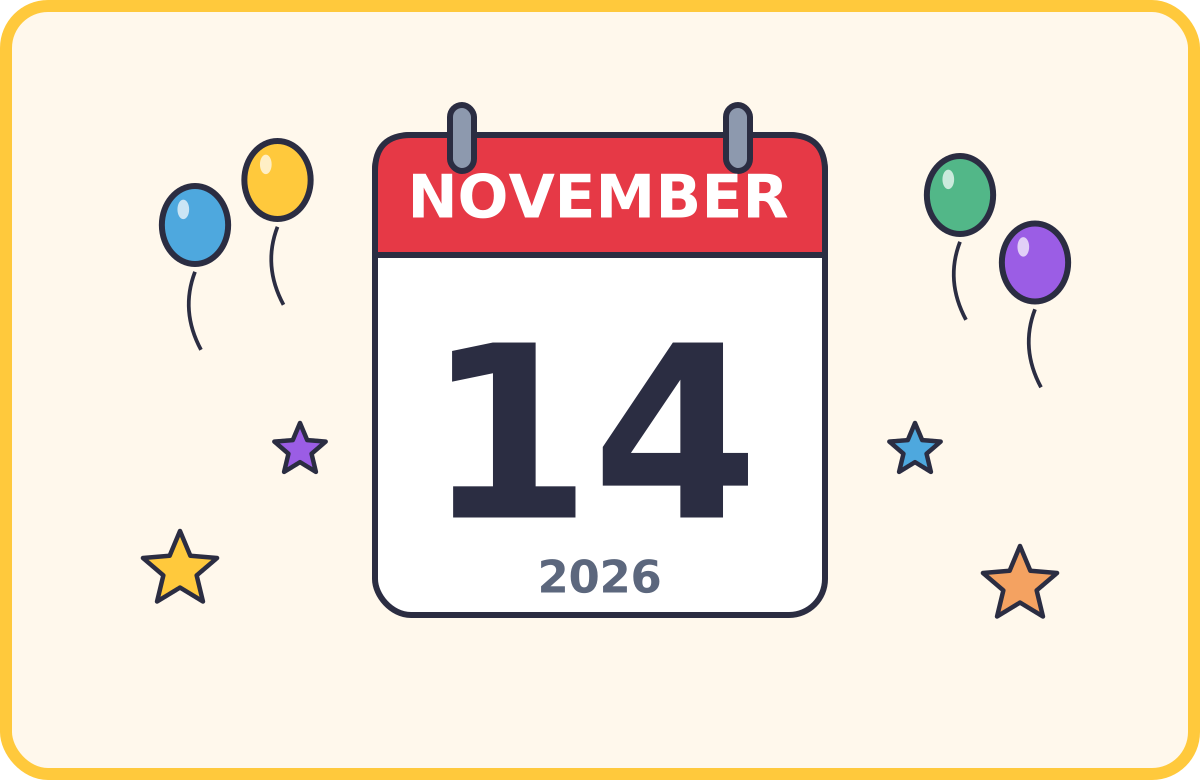
14 November: Nehru’s birthday and India’s Children’s Day
“The children of today will make the India of tomorrow.” A thought Nehru often shared about children and the nation
Chacha Nehru: a quick timeline
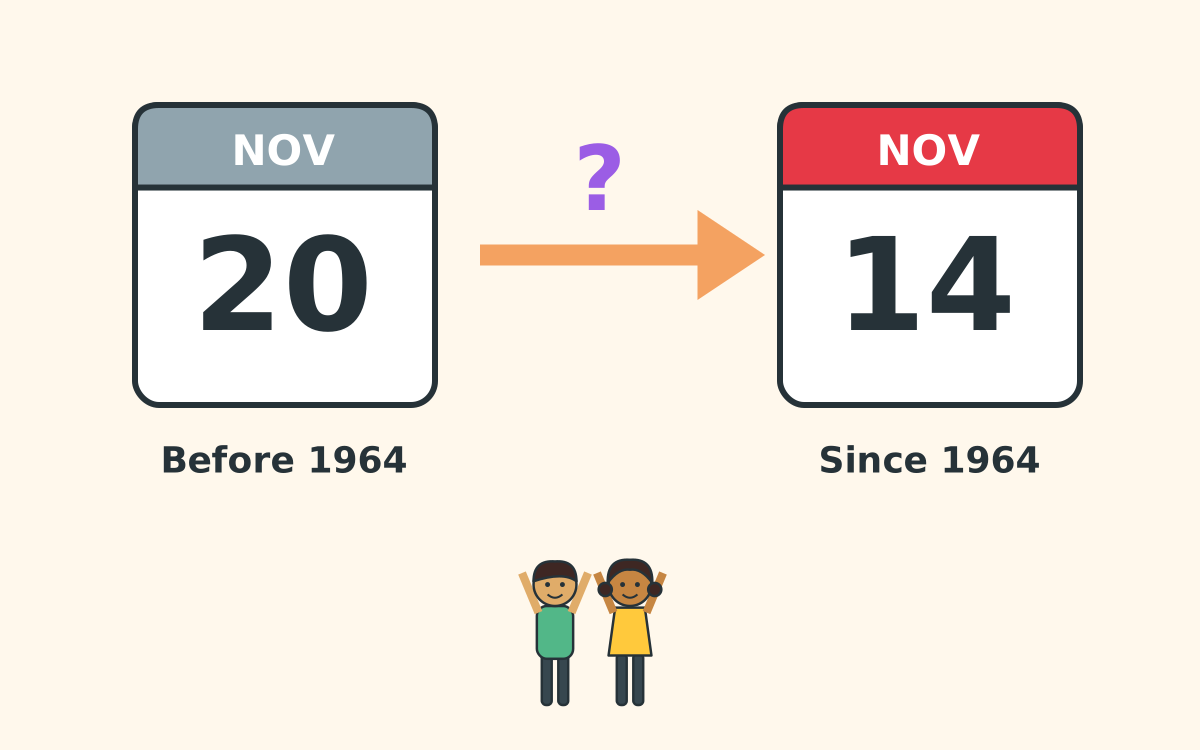
Children’s Day moved from 20 November to 14 November
Values every child should carry
The quizzes have picture-based questions about everyday life. Look carefully, think about what a kind, safe and sensible child would do, and then choose your answer.
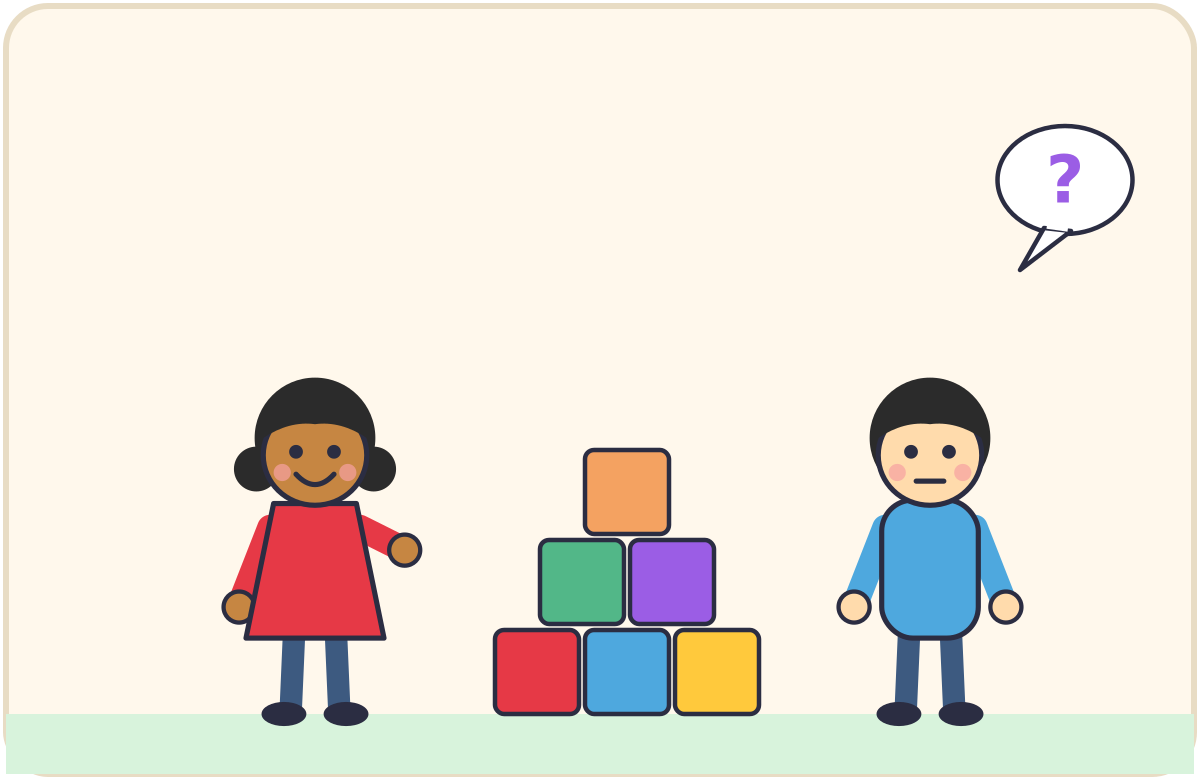
🤝 Share and take turns
When a friend has nothing to play with, share. When many children want the slide, stand in a line and wait for your turn. Say “Thank you” when you get a gift, and help a friend who falls.
💛 Include everyone
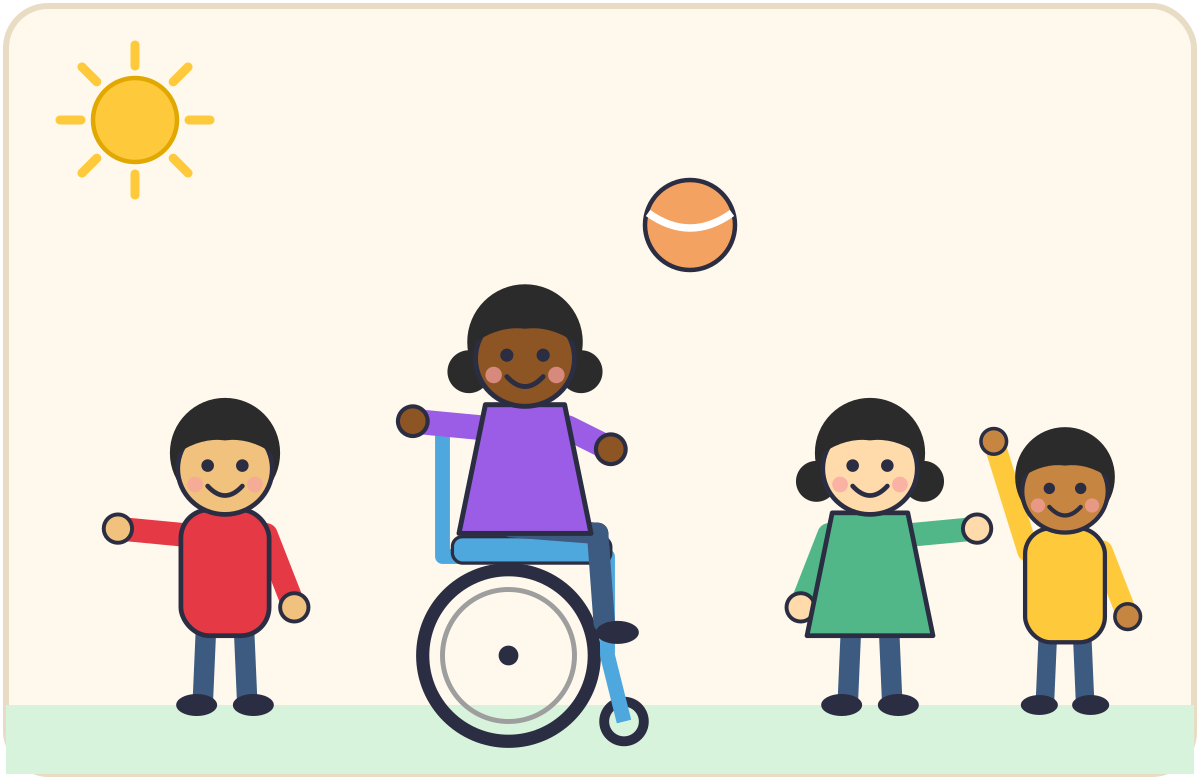
A classmate who uses a wheelchair, or a new child sitting alone, should never be left out. Change the game so everyone can play. Being kind is part of being a good citizen.
🍎 Healthy habits
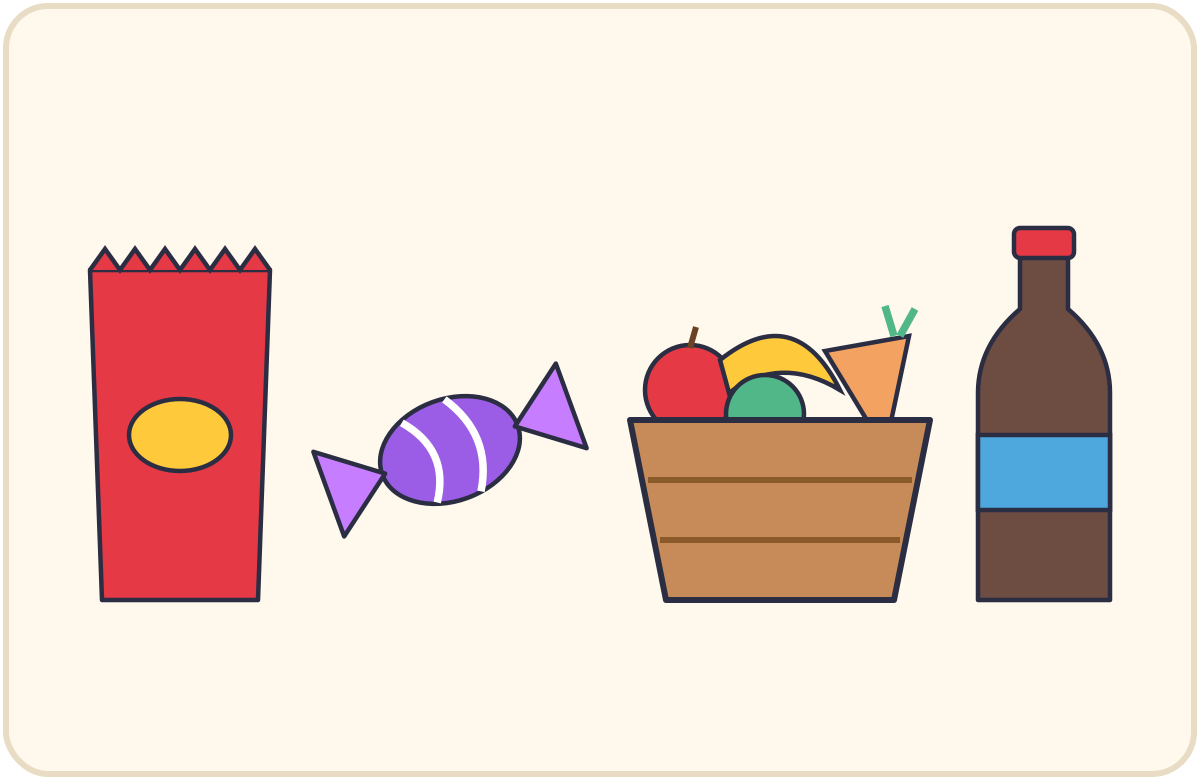
Fruits, vegetables, dal, milk and water make us strong. Junk food and fizzy drinks do not. Wash your hands before eating, play outdoors, and sleep well.
🚦 Stay safe on the road
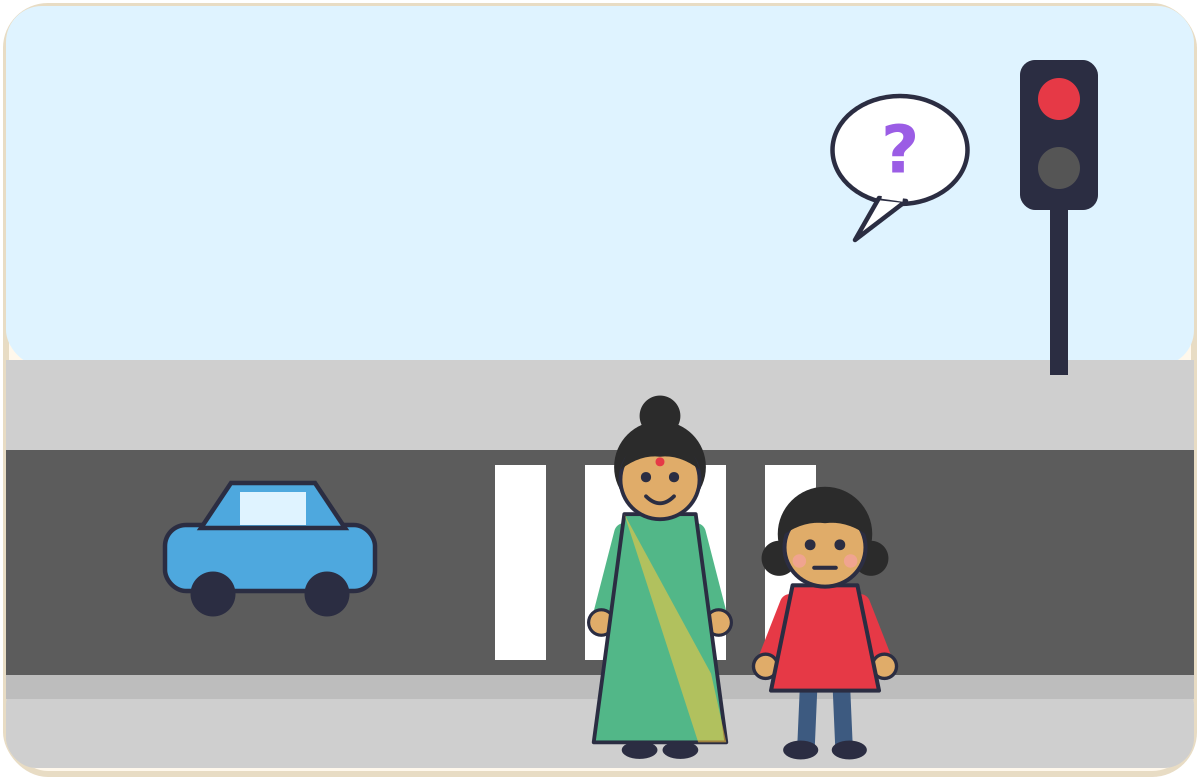
Cross only at the zebra crossing when the signal is green, holding an adult’s hand. Look right, look left, and look right again.
🔐 Stay safe online
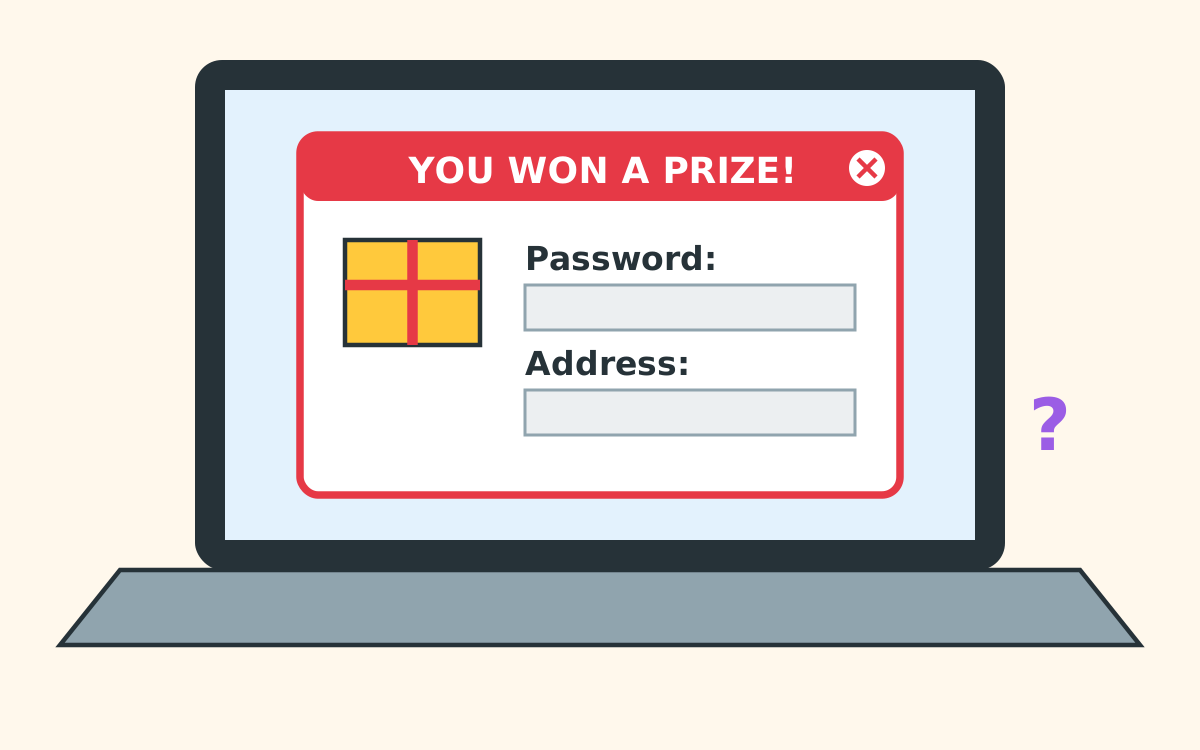
A pop-up saying “You won a prize!” is a trick. Never share your password, home address, school name or photos with strangers online. Close it and tell a trusted adult.
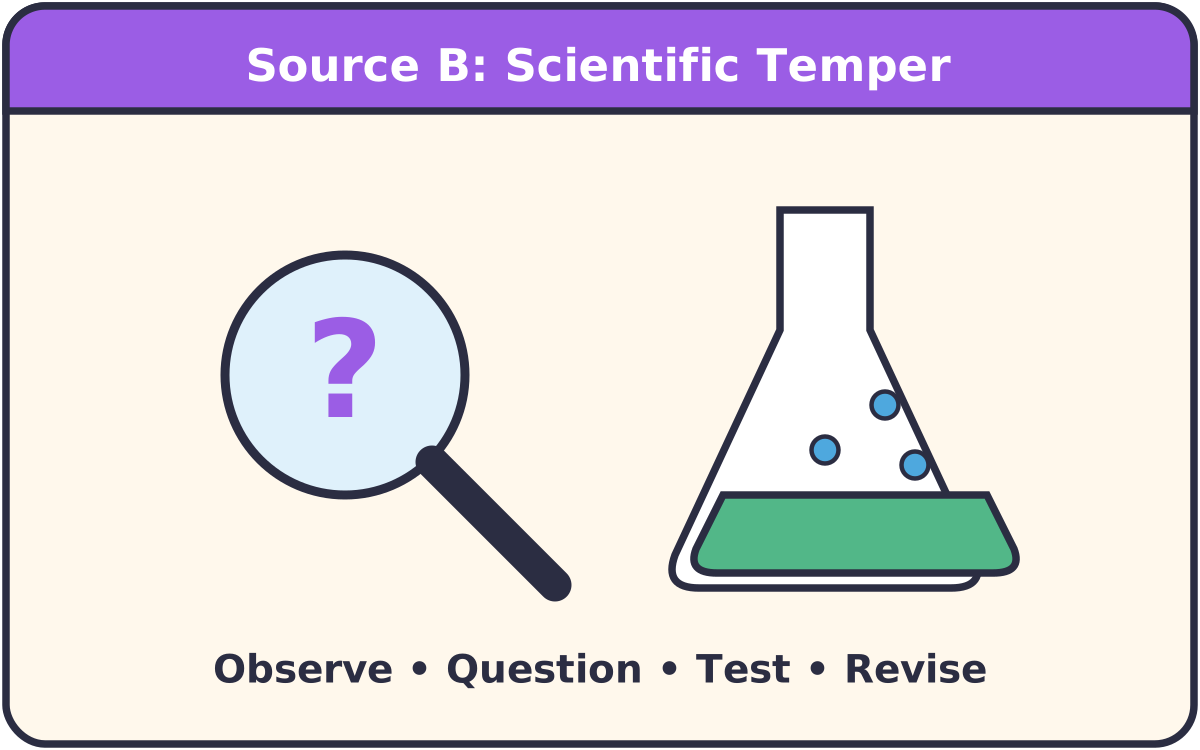
🔬 Think scientifically
Nehru wanted every Indian to have a scientific temper: observe, ask questions, test with evidence, and change your mind when new facts appear. Don’t forward a “miracle cure” message. Check it first.
Every child has rights, and duties too
On 20 November 1989, the United Nations adopted the Convention on the Rights of the Child (UNCRC). India accepted it in 1992. Its rights fall into four groups:
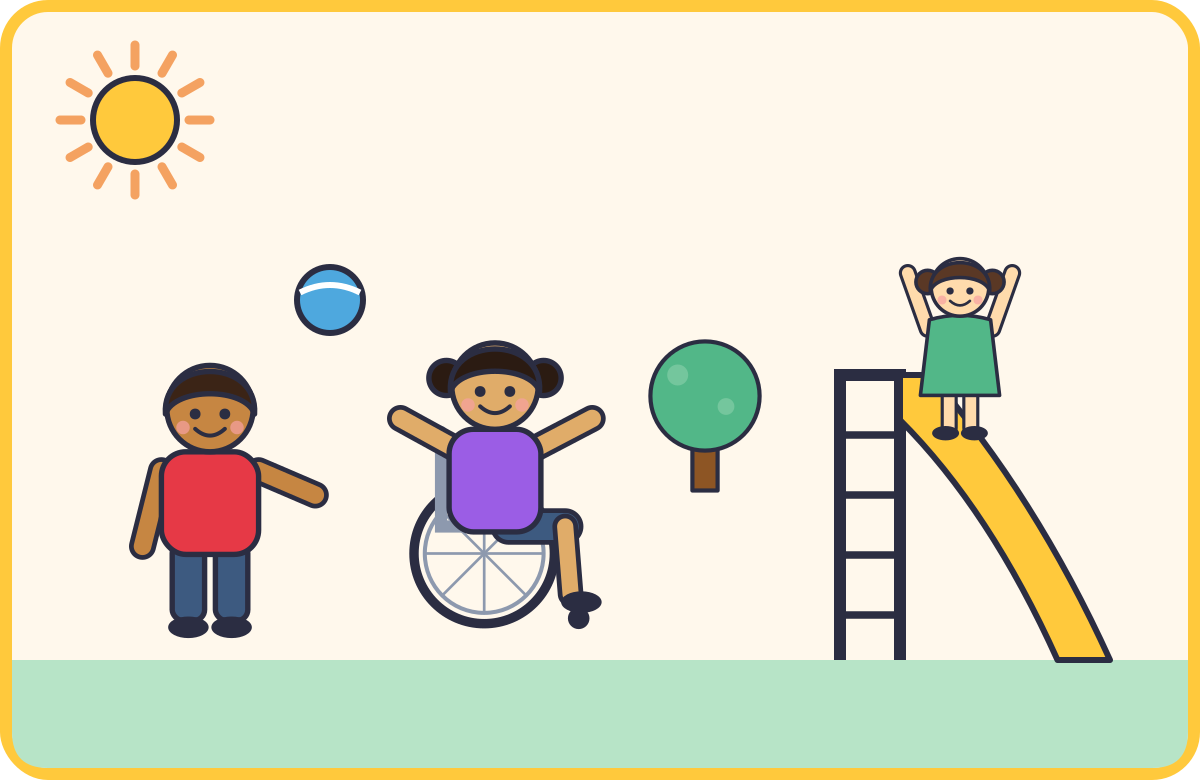
The right to play is a real child right
Survival
Life, health care, vaccines, food and clean water.
Development
Education, play, rest and the chance to grow.
Protection
Safety from harm, abuse, neglect and child labour.
Participation
Being heard: sharing your ideas and opinions.
What India’s laws say
Childline, a free helpline for children, open day and night.
If you ever feel worried or unsafe, call 1098 or talk to a parent, teacher or another trusted adult. Asking for help is brave.
How Nehru helped build modern India
After independence, India was poor, and many people lacked food, schools and hospitals. Nehru believed that science, education and planning could change this. For older students, these ideas are an important part of the quiz.
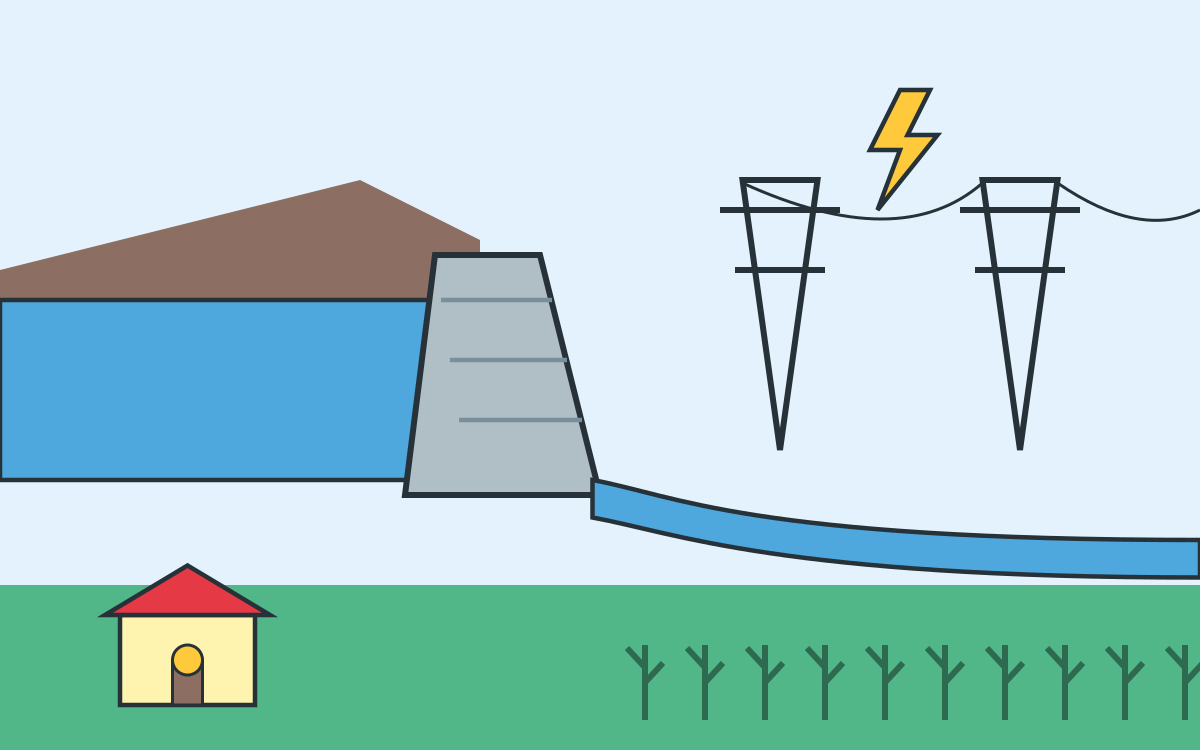
Dams gave water for farms and electricity for homes
Five-Year Plans
The Planning Commission (1950) made these plans. The First Plan (1951–56) put farming and irrigation first, because India needed food.
“Temples of modern India”
That is what Nehru called big dams like Bhakra Nangal. They gave irrigation, electricity and flood control.
IIT Kharagpur (1951)
The first IIT, set up to train India’s own engineers and scientists.
AIIMS New Delhi (1956)
Top-quality medical education, research and patient care.
Non-Alignment
During the Cold War, India chose not to join either military bloc. It decided its foreign policy freely.
Children first
Healthy, educated children grow into the people who build a strong nation.
What to revise for your grade
Each quiz has 25 picture-based questions for your NEP 2020 stage. Here is what each one covers:
🌟 Little Stars: Play & Learn
Foundational Stage · Grades 1–2- Date of Children’s Day, Chacha Nehru, the red rose
- Children’s Day fun: races, drawing, fancy dress
- Sharing, taking turns, saying thank you, helping friends
- Healthy food, washing hands, road safety
- Counting, “who has more?”, patterns and shapes
🌹 Chacha Nehru’s Champions
Preparatory Stage · Grades 3–5- Nehru’s birthplace, Anand Bhawan, Letters from a Father to His Daughter
- Right to education, right to play, PM POSHAN, being heard
- Honesty, kindness, teamwork, inclusion, caring for plants
- Maths: subtraction, multiplication, sharing equally, money, fractions
- Reading a bar graph; choosing a balanced meal
🧠 Young Minds: Rights & Responsibilities
Middle Stage · Grades 6–8- Why 14 November? Nehru’s books and the “Tryst with Destiny” speech
- Five-Year Plans, Bhakra Nangal, IIT Kharagpur, scientific temper
- UNCRC, UNICEF, Article 21A, Article 24, Childline 1098, Article 51A
- Online safety and inclusive games
- Data: age calculation, percentage, mean, ratio, graphs
🚀 Future Leaders: Rights & Nation-Building
Secondary Stage · Grades 9–10- Reading passages and case studies, then drawing conclusions
- Constitutional provisions: RTE, Articles 21A, 24, 45, 51A(h)
- NEP 2020 (5+3+3+4), Five-Year Plans, IIT, AIIMS, Non-Alignment
- Child rights: survival, development, protection, participation
- Statistics: % change, mean, median, probability, interest, pie charts
Quiz tips
30 minutes
25 questions. That’s a little over a minute for each one, so there’s no need to rush.
Look at the picture
Every question has a picture with a clue. Read the question, then study the image.
No negative marks
1 mark for each correct answer. Answer every question, even if you have to guess.
Read the solutions
After you finish, read the explanation for each answer. That’s where the learning happens.
Try again
The quizzes are free with unlimited attempts. Try again and beat your own score.
Learn together
Younger children can attempt with a parent. Talk about each question together.
🎉 Attempt the Children’s Day Quiz 2026
Choose the quiz for your grade and tap the button to start. It’s free, you can start any time, and you can attempt it as many times as you like.
Little Stars: Play & Learn
Chacha Nehru, sharing, healthy habits, safety, counting and shapes.
Start Grades 1–2 Quiz →Chacha Nehru’s Champions
Nehru’s life, child rights, kindness, and maths with roses and laddoos.
Start Grades 3–5 Quiz →Young Minds: Rights & Responsibilities
History, UNCRC, the Constitution, online safety and data handling.
Start Grades 6–8 Quiz →Future Leaders: Childhood, Rights & Nation-Building
Passages, case studies, constitutional rights, nation-building and statistics.
Start Grades 9–10 Quiz →
G Aishwarya
G sujatha
Apexedutech is helping me to learn more
Thank you so much
gs0204869@gmail.com
G Aishwarya
*********
Good